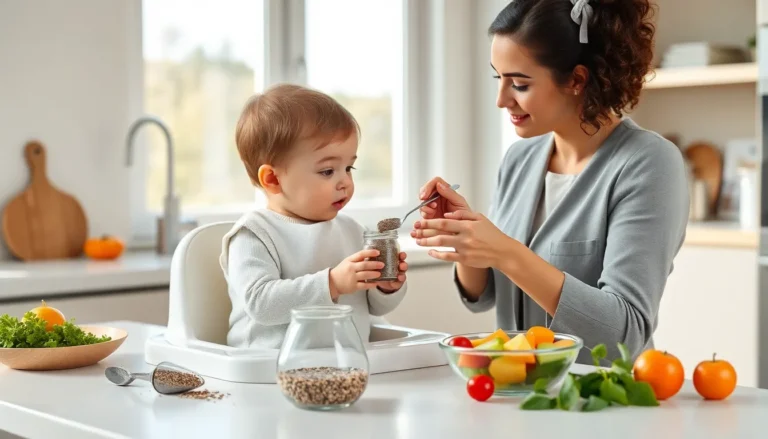
When it comes to feeding preschoolers, parents often feel like they’re navigating a minefield. One moment they’re happily munching on carrots, and the next they’ve declared an all-out war on vegetables. But, healthy snacks serve as not just fuel for their busy little bodies, but a way to nurture their growing minds. So, let’s jump into the world of snacking without the guilt, because let’s face it, who doesn’t want their kid to eat something green without breaking into a dramatic performance? Here’s how to keep snack time both nutritious and fun.
The Importance Of Healthy Snacks
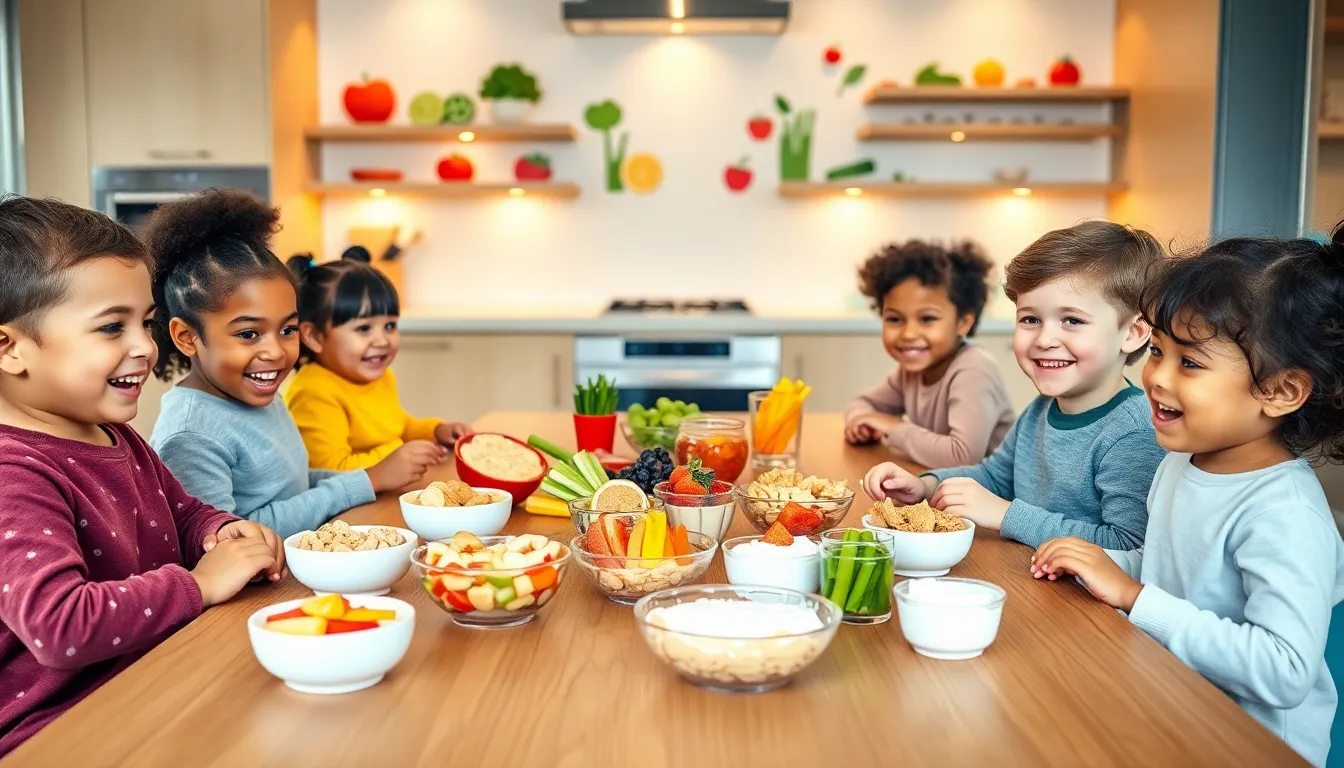
Healthy snacks play a crucial role in ensuring preschoolers receive the nutrition they need for optimal growth and development.
Nutritional Needs Of Preschoolers
Preschoolers require a balanced diet rich in vitamins, minerals, and other essential nutrients. At this stage, their bodies and brains are growing rapidly. The right mix of carbohydrates, proteins, and healthy fats helps support cognitive function and physical health. They need nutrient-dense options, as their little stomachs often can’t handle large meals.
Benefits Of Healthy Snacking
Engaging in healthy snacking habits contributes positively to a child’s overall wellness. Not only does it help regulate their energy levels throughout the day, but it also plays a role in forming healthy eating patterns that can last a lifetime. Research suggests that introducing a variety of nutritious snacks can lead to better food preferences in the long run, making it easier to manage picky eaters.
Creative Ideas For Healthy Snacks
Finding creative snack ideas can be a game changer for both parents and preschoolers.
Fruits And Vegetables
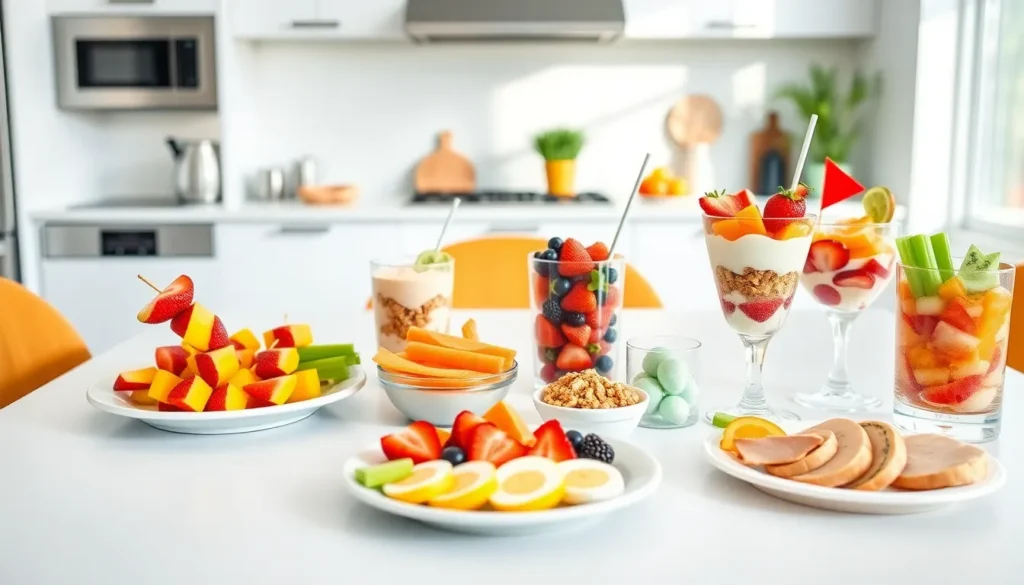
Fruits and vegetables are an excellent starting point. Mini fruit kabobs made with bright, colorful pieces of mango, strawberries, and grapes can be both delightful and bursting with flavor. Veggie sticks paired with hummus or yogurt dip transform plain carrots and celery into an exciting snack.
Whole Grains And Cereals
Next up: whole grains. Whole grain crackers or oatmeal cookies can serve as sturdy bases for spreads like peanut butter or avocado. Not only do whole grains supply fiber, they also keep little tummies satisfied longer. A fun twist is to create cereal trails, mixing whole grain cereals with nuts and dried fruits for a crave-worthy snack mix.
Dairy Options
Dairy options can’t be overlooked. Yogurt parfaits layered with fruit and granola make for a tasty, visually appealing snack. And let’s not forget cheese. String cheese or sliced cheese can be paired nicely with whole-grain crackers for a perfect balance of calcium and carbs.
Protein-Packed Snacks
Protein-packed snacks offer further sustenance. Hard-boiled eggs, edamame, or turkey slices are excellent choices. For an exciting twist, create a mini ‘snack plate’ with assorted proteins and other food items that make snacking a real treat.
Tips For Encouraging Healthy Snacking
Encouraging preschoolers to snack healthily can be a delightful adventure.
Make It Fun And Interactive
Turning snack time into a fun event can greatly increase interest. Create snack creative challenges or themed days, like rainbow days where kids can only eat colorful fruits and veggies. Playful presentations, like arranging food into animal shapes or funny faces, can ignite excitement.
Involve Preschoolers In Snack Preparation
Getting preschoolers involved in the preparation process not only teaches them about food but also makes them more likely to eat what they’ve made. Simple tasks like washing fruits, spreading yogurt, or assembling mini sandwiches not only build their confidence but can also lead to healthier choices.
Balanced Portion Control
Teaching balanced portion control is crucial. Preschoolers often overestimate what they can eat, so small, child-sized portions help to avoid waste. Gradually introducing larger portions as they grow helps maintain a healthy relationship with food.